We helped build this backlash. Not all of us, and not deliberately — but we were in the room when the decisions were made. We shipped before we validated. We deployed in high-stakes domains without recourse paths. We told ourselves explainability could wait.
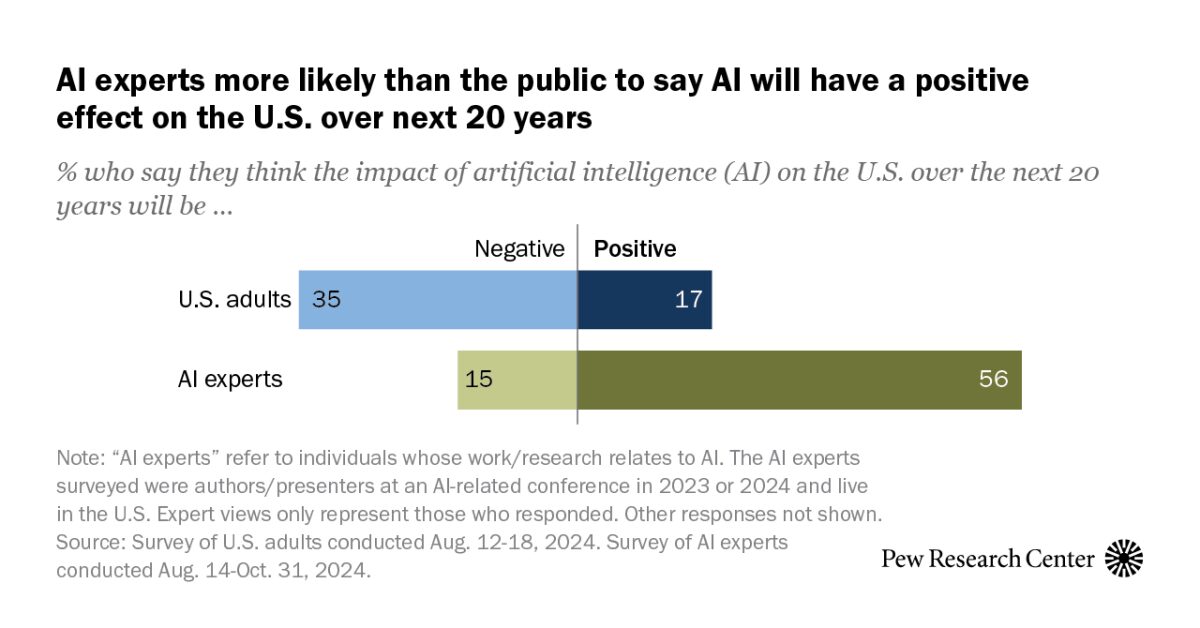
72% of Americans say they have serious concerns about AI. The pattern holds across Europe, Asia, and Latin America. Public trust is not growing with capability. It’s moving in the opposite direction.
The instinct in most tech circles is to frame that as a comprehension gap. People just don’t understand the technology yet.
That framing is wrong — and it lets us off the hook too easily.
The backlash wasn’t generated by AI existing. It was generated by decisions: shipping models into hiring pipelines before we understood their failure modes. Deploying automated systems in healthcare and credit with no recourse path when they got it wrong. Treating explainability as a post-launch roadmap item, not a day-one requirement.
We have been in those conversations. We have seen the pressure to ship outweigh the pressure to validate. We have watched “we’ll iterate on trust later” said without irony.
We are not observers of this moment. Some of us are contributors to it.
Naming that is not self-flagellation. It’s the first honest step toward building differently.
The window is still open. Trust is recoverable — through slower deployment in high-stakes contexts, through recourse mechanisms that exist before launch, through explainability that serves users, not auditors.
The public isn’t irrational. They’re reading the evidence they have.
What are we building that gives them better evidence?
Pew Research — How the US Public and AI Experts View Artificial Intelligence