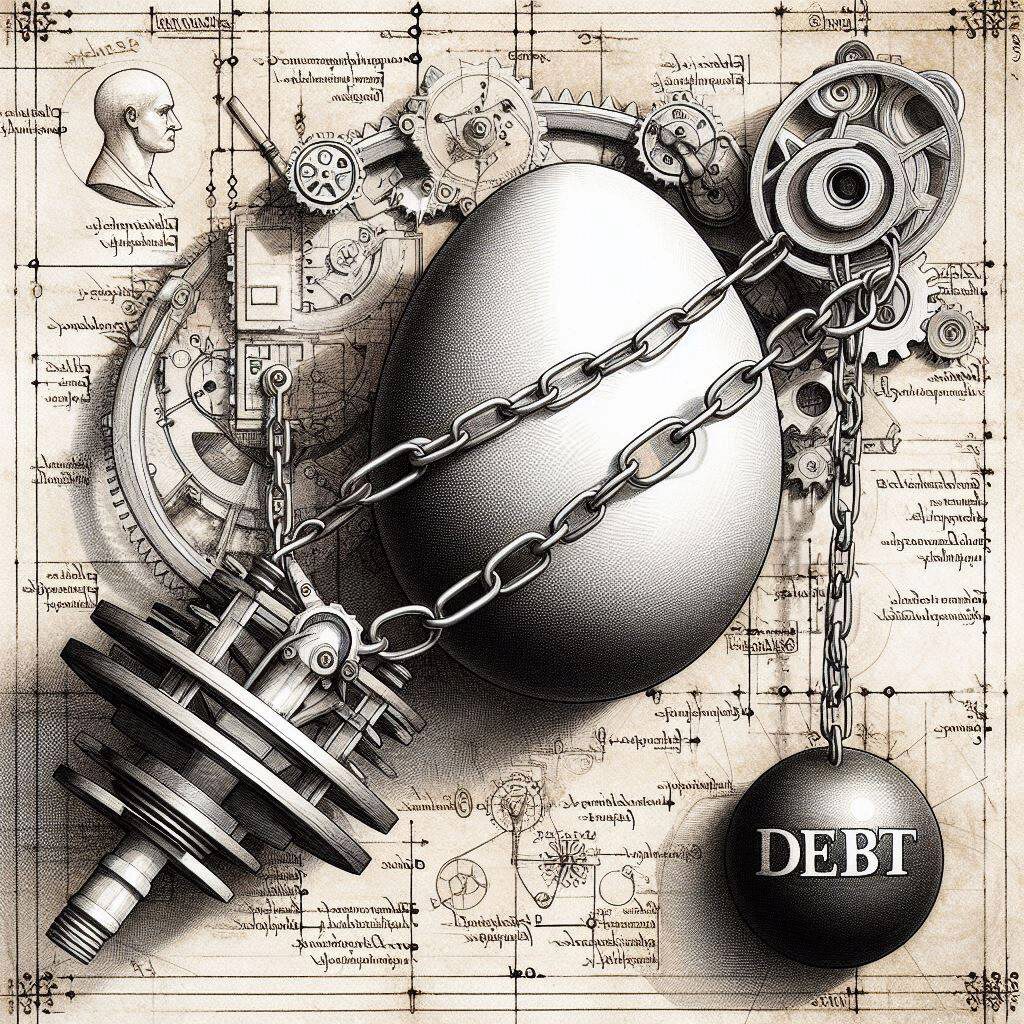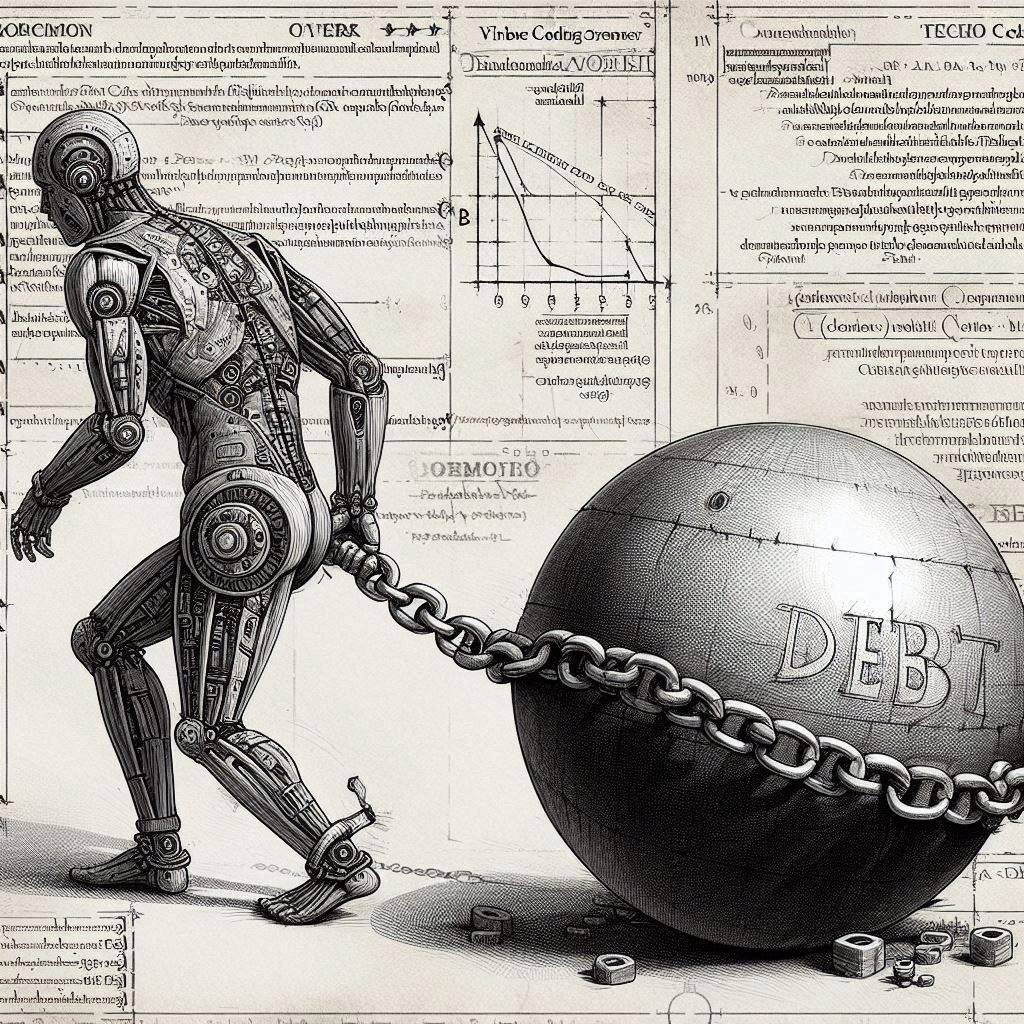
Borrowed against future

You didn't ship fast — you borrowed against your future team's sanity

You didn’t ship fast. You borrowed against your future team’s sanity. The speed was real. You shipped in days what used to take a sprint. But the person who joins after you has to take ownership of a codebase they didn’t write, can’t fully read, and are now on the hook for. Every bug is an excavation. Every new feature starts with “wait, why does this work this way?” That’s not technical debt. That’s organisational debt — and it will land on someone else’s lap, maybe even your first real engineer hire. ...

May 26, 2026 · 1 min · 197 words · João Malcata
Vibe coding and tech debt

I can read this code. I just can't reason about it.

I can read the code. I just can’t reason about it. That’s the failure mode that’s starting to surface with vibe coding — but not loudly enough. The code isn’t messy. It often looks clean. Each function is legible in isolation. But there’s no architecture with intent behind it — no decisions a human made and can therefore explain. Debugging becomes guesswork. Extending it is archaeology. Onboarding someone new is a ritual of apology. ...

May 23, 2026 · 2 min · 224 words · João Malcata
Brain Regeneration Observatory

Bruno Amaral and the Brain Regeneration Observatory

My friend Bruno Amaral was diagnosed with Multiple Sclerosis. He didn’t give up or waited for a magical solution. He built Brain Regeneration Observatory — a free, open platform that pulls the latest research from PubMed, bioRxiv, and clinical trial registries across every frontier of CNS regeneration: remyelination, neuroinflammation, neuroimmunometabolism, cell reprogramming. Papers land within 24 hours of publication. Clinical trials for MS, Alzheimer’s, and more are tracked in real time. Scientific curation comes from teams at Coimbra, Cambridge, and Lisboa. ...

April 24, 2026 · 1 min · 156 words · João Malcata
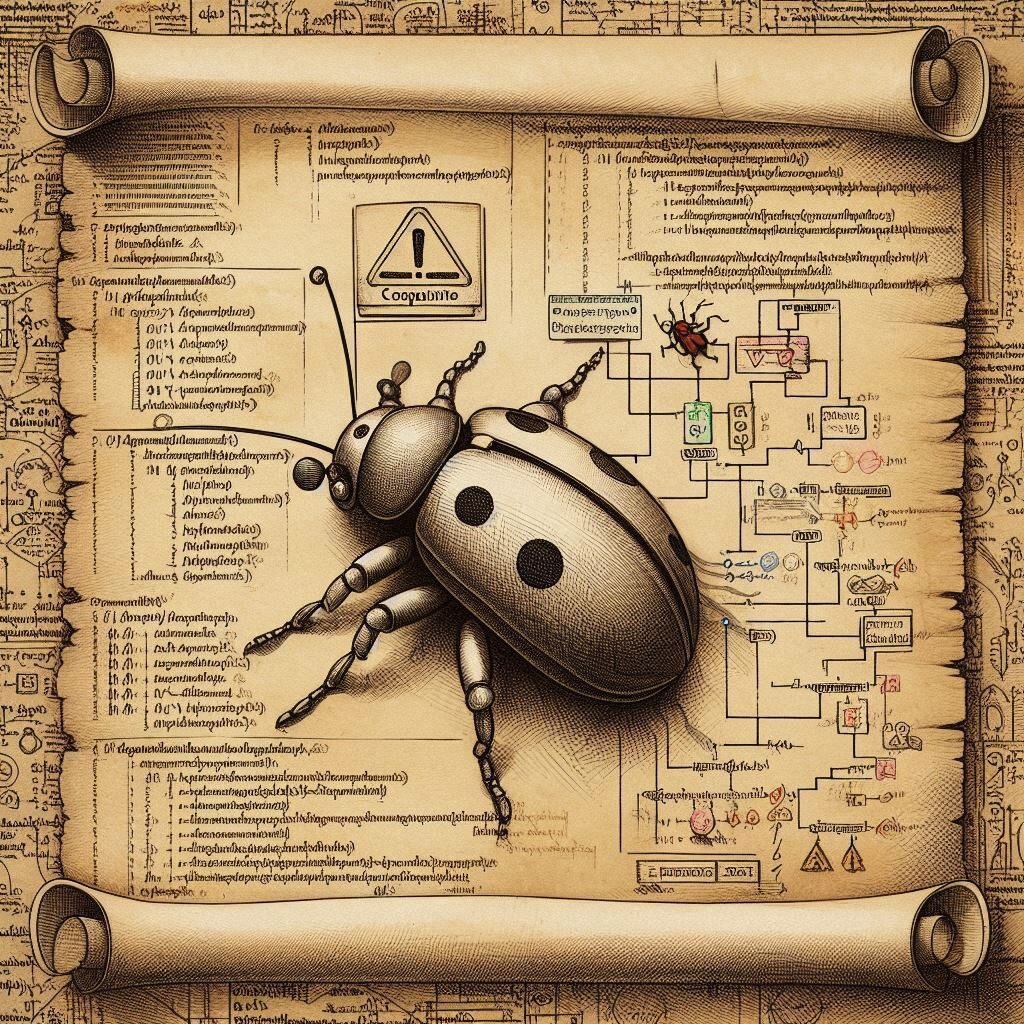
A mechanical bug on a technical diagram in da Vinci sketch style

AI Beat Quantum to the Punch

We were told to worry about quantum computing breaking cybersecurity. Turns out, we should have been watching AI. Anthropic’s Mythos model found critical vulnerabilities in every major OS and browser in testing. 99% unpatched. 73% success rate on expert-level hacking tasks. Not released publicly — but accessible to a select group of tech and financial institutions through Project Glasswing. The idea: use it to fix things before the wrong people get hold of it. ...

April 20, 2026 · 1 min · 117 words · João Malcata
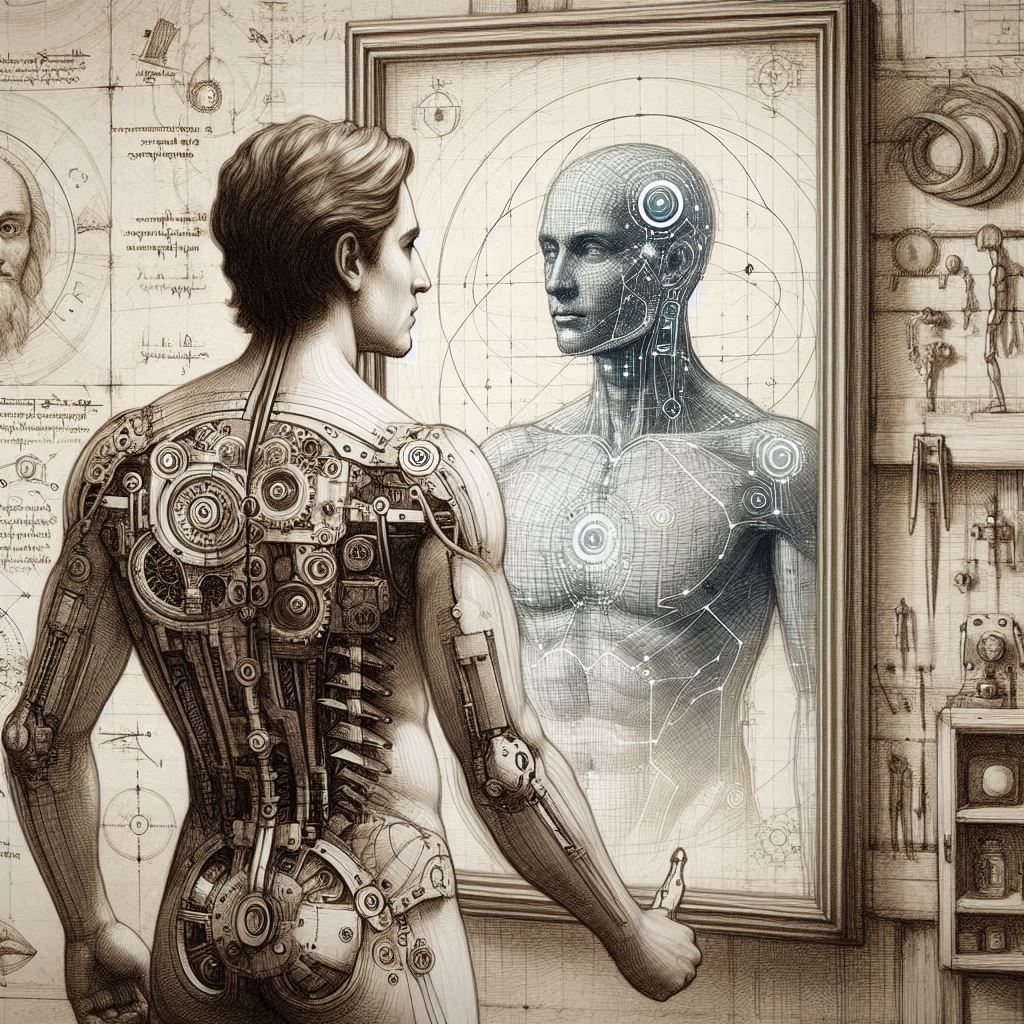
A person facing their digital twin in a mirror

Your Digital Twin Is Already at Work

Black Mirror had an episode where a grieving partner rebuilt a lost loved one as an AI — trained on messages, emails, tone of voice. We watched it as fiction. A tool called Colleague Skill just made the workplace version real. Feed it someone’s chat logs and emails, and it produces an AI that replicates both their technical patterns and communication style. 8,400 GitHub stars in a week. The China context matters, but it’s a symptom. The concept is older and broader: Digital Twins, applied to people. Until now that framing lived in research papers and HR thought-leadership decks. Now it’s a GitHub repo with an install guide: titanwings/colleague-skill. ...

April 15, 2026 · 2 min · 216 words · João Malcata
AI figure with books and a futuristic cityscape

Thinking Without Autocomplete

We are racing to build machines that can “imprint” knowledge instantly—yet we rarely ask what happens to the ability to learn. In “Profession” by Isaac Asimov, education becomes a technical procedure. Skills are uploaded directly into the brain. Careers are assigned. Competence is standardized. The system produces experts at scale, efficient, predictable and optimized. Until it encounters the outliers. The short story protagonist cannot receive preloaded knowledge. At first, he appears defective. Later, we discover he belongs to the minority capable of something far more disruptive: learning the hard way. Reading. Questioning. Connecting dots. Creating what does not yet exist. ...

April 12, 2026 · 2 min · 232 words · Me
generic image

Mitigate mode collapse and unlock LLM diversity

Do you ever felt your AI (LLM) is not creative enough and keeps snitching your answers to others? We’re making models dumber in the name of making them “better.” A new study reveals the unintended consequence of RLHF (Reinforcement Learning from Human Feedback). It turns out, when we train AI on what humans “prefer,” we accidentally teach it to be… predictable. Boring. Safe. The result? Mode collapse. But here’s the unlock 🔓 ...

October 31, 2025 · 1 min · 136 words · João Malcata
Hiding from artificial intelligence in the age of total surveillance

Counter

Counter #AI #surveillance rbth.com/science_and_te… Original Tweet

July 27, 2017 · 1 min · 6 words · João Malcata
Twitter logo

Practical and regulated needed for 2017

Practical and regulated #ethics needed for 2017 medium.com/@singularityu/… #ai #dna Original Tweet

January 13, 2017 · 1 min · 12 words · João Malcata